Best Baby Monitors in 2026
The baby monitor category changed more than any other in this decade, and one part of it needs stating before any product does. In September 2025 the FDA issued a safety communication about infant vital-sign monitors, and its language was unambiguous: the agency is not aware of clinical or scientific evidence that any currently available baby product prevents or reduces the chance of SIDS, and no device has been authorized to do so. The American Academy of Pediatrics says the same thing — don’t use home monitors as a way to reduce SIDS risk, and don’t let one create a false sense of security. Safe sleep practice is the intervention. A monitor is a convenience, sometimes a reassurance, never a safety net.
With that established, here’s what’s genuinely good in 2026 — and how to read the “FDA-cleared” labels you’ll see on the boxes.
WiFi or Not? The Real Tradeoff
WiFi monitors give you the stream on your phone from anywhere plus AI analytics. They also put a camera pointed at your baby onto the internet. This isn’t hypothetical: in 2022-23 Anker admitted that its eufy cameras — marketed on local storage — were not end-to-end encrypted, after researchers streamed footage remotely. Non-WiFi monitors use a closed radio link (FHSS) to a dedicated parent unit: no cloud, no app, nothing to breach remotely, and no service to discontinue. If that peace of mind matters more than phone access, buy non-WiFi and stop reading the smart-feature lists.
The Best Baby Monitors in 2026
1. Nanit Smart Baby Monitor – Best Overall (WiFi)
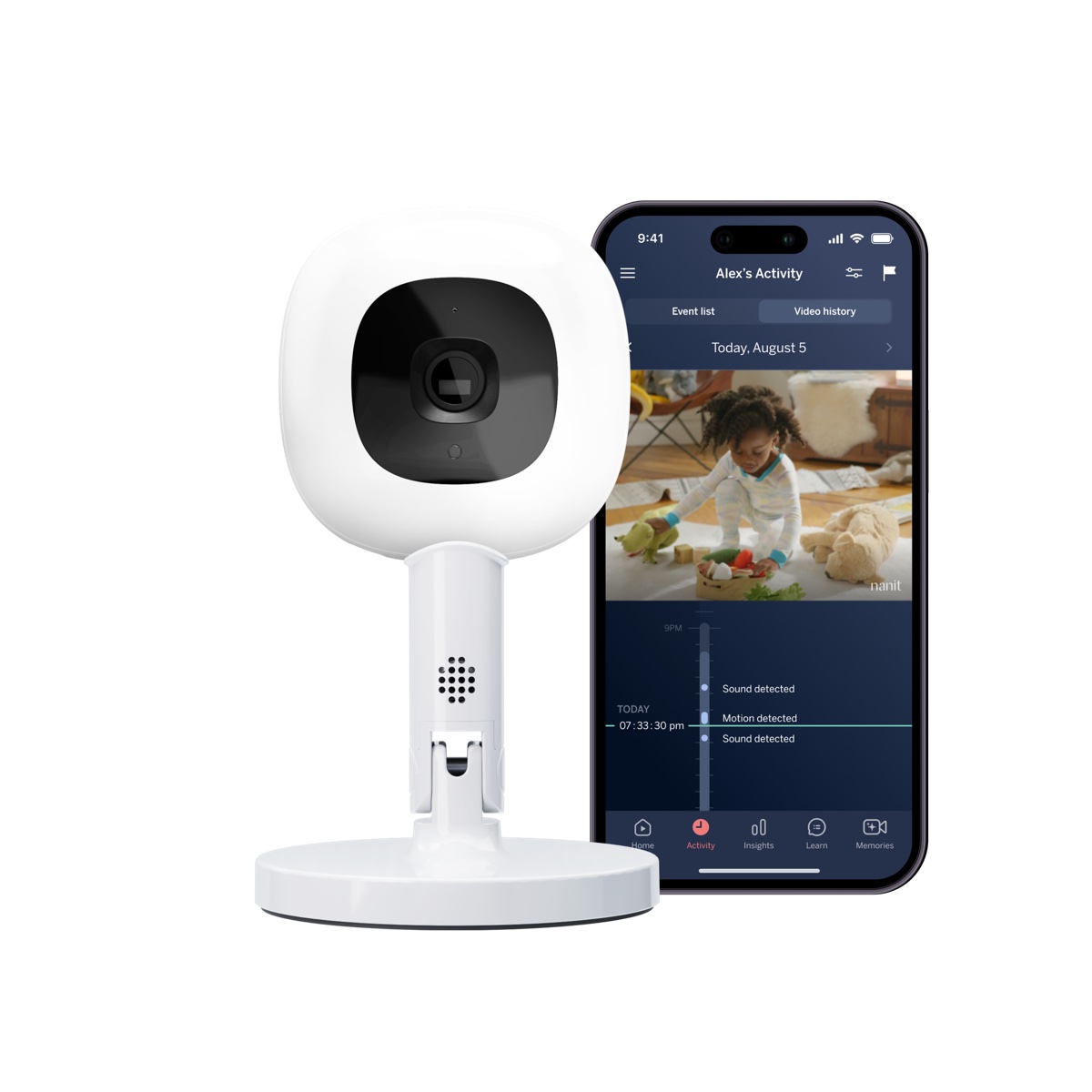
An overhead 1080p camera with the cleanest app in the category, temperature and humidity sensing, two-way audio, and breathing-motion tracking done by computer vision on a patterned band — no sensor touching the baby. About $232 with the floor stand, and the band is included in the box. Encryption is 256-bit with mandatory two-factor authentication, which is the right answer for a nursery camera. Live viewing, sound and motion alerts and two-way talk are free; the Insights sleep analytics are the paid tier ($9/month and up). New for 2026, and welcome: an 8-inch hardware display ($179) for parents who don’t want a phone in the loop.
2. Infant Optics DXR-8 Pro – Best Non-WiFi
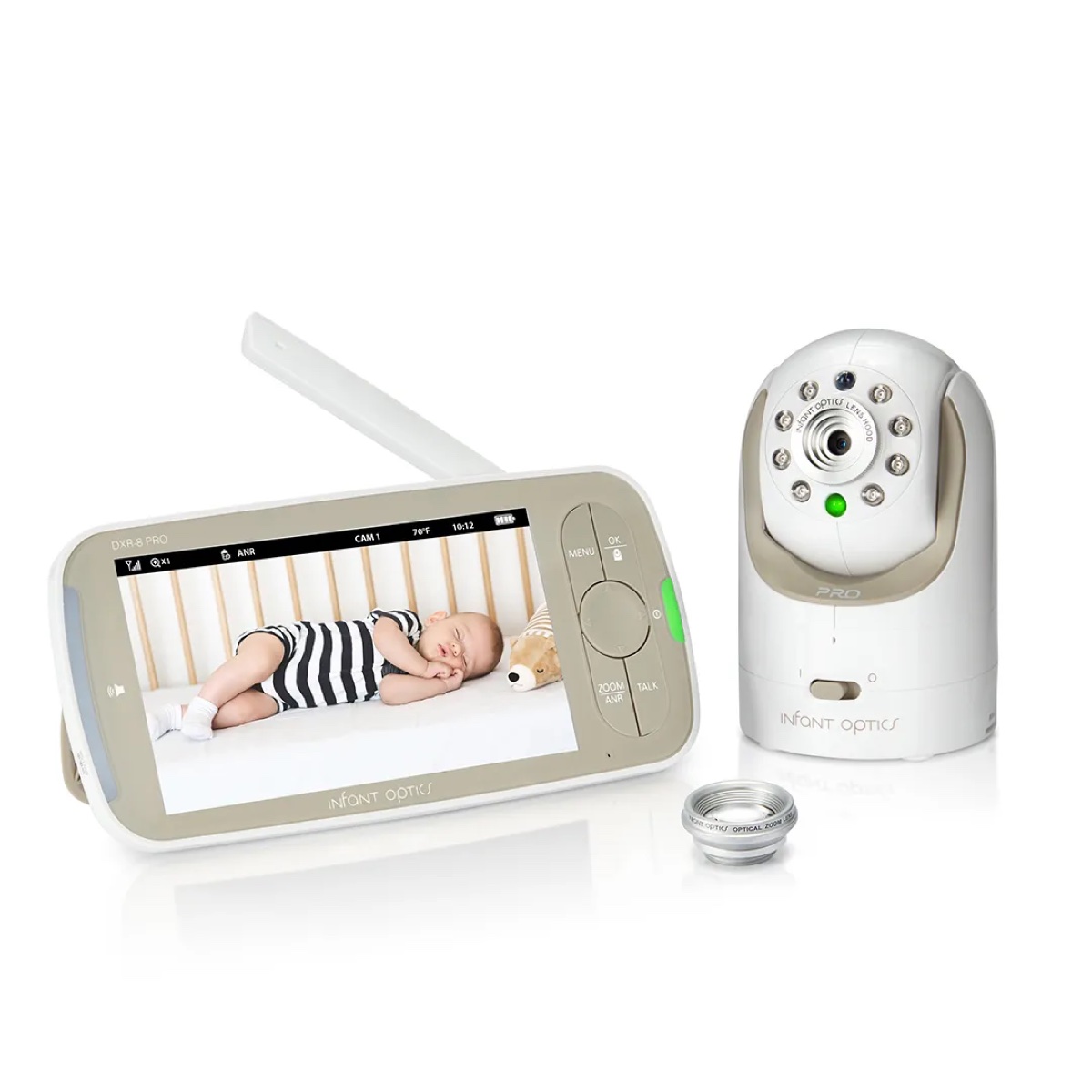
The one that doesn’t touch the internet at all: a closed FHSS radio link to a 5-inch handheld unit with up to 1,000 feet of range, remote pan-tilt-zoom, active noise reduction, a replaceable battery (rare and valuable — it outlives the ones that die sealed), and the category’s only interchangeable lens system. $200, no app, no subscription, nothing to hack from another country. It supports up to four cameras, so it grows with the family. Skip the older plain DXR-8 — it’s 480p and barely cheaper.
3. Owlet Dream Sock – Best Vitals Monitor (Read the Label Carefully)
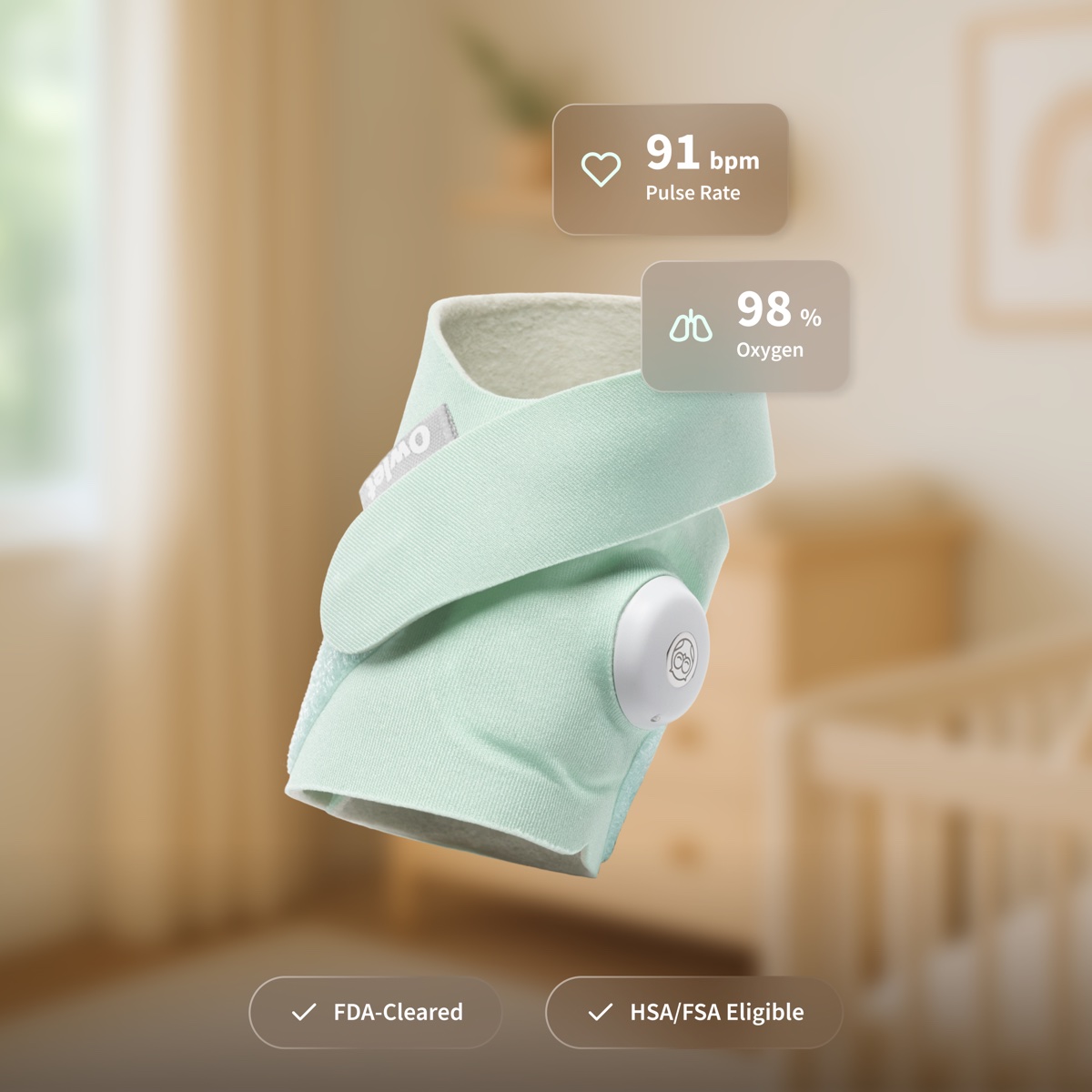
The famous sock has a real regulatory story worth knowing. Owlet pulled its original Smart Sock from the US market in late 2021 after an FDA warning letter; the company then went through the proper process, and in November 2023 the FDA granted the Dream Sock a De Novo authorization, creating a brand-new device category for over-the-counter infant pulse-rate and oxygen monitors. So it is genuinely FDA-cleared — which means the FDA reviewed what it does, not that it prevents anything.
What the clearance actually covers: notifying you when your baby’s pulse rate or blood-oxygen readings fall outside a preset range, for infants 1-18 months and 6-30 pounds (Amazon listings sometimes state a wider range — the FDA’s numbers are the real ones). It is explicitly not intended for babies already diagnosed with heart or respiratory conditions, not a replacement for medical monitoring, and Owlet’s own site states plainly that it isn’t intended to diagnose, treat or cure any condition including SIDS. $240 for the sock, $300 for the Dream Duo bundle with the camera, no subscription needed for the core function. For medically fragile infants there’s a separate prescription version, BabySat, arranged through your pediatrician.
4. eufy Baby Monitor C10 – Best Budget
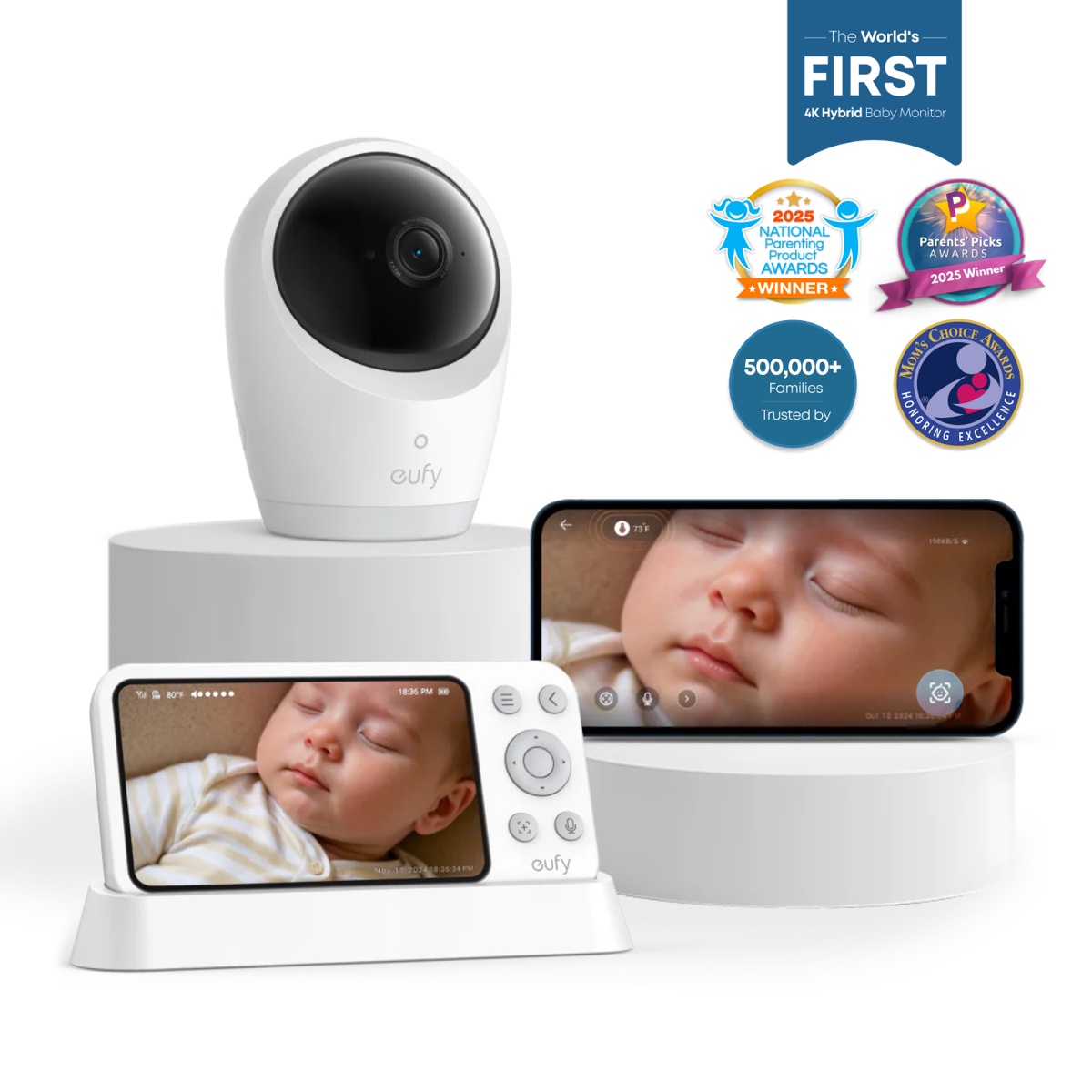
A hundred dollars for a 2K camera, a 4.5-inch parent screen with twelve hours of battery, 351-degree pan, night vision and no subscription fees ever. The smart part of the design: it works fully without WiFi as a local monitor, with the internet connection as an optional toggle if you want remote viewing. That’s the hybrid answer to the security question — off by default, on when you choose.
5. CuboAi Smart Baby Monitor 3 – Most AI Features
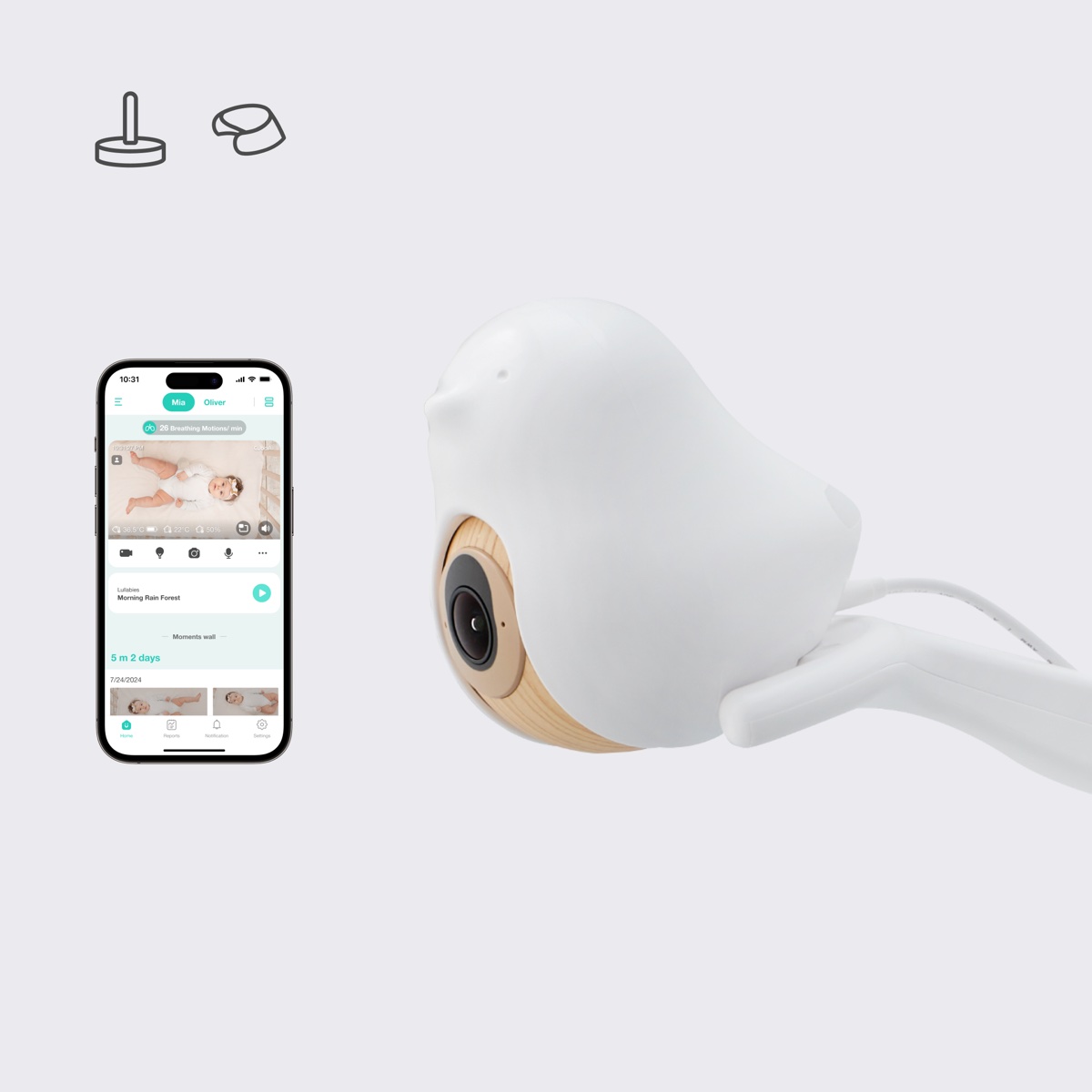
The most ambitious feature set here: 2.5K video with AI alerts for a covered face and rollovers, cry and cough detection, automatic growth tracking, and 72-hour playback, from $199 wall-mounted or $299 with the floor stand (subscription $50-80/year after the included trial). The honest caveat we can’t skip: its Amazon rating sits at 3.3 stars across a few hundred reviews — the weakest in this lineup. Buy it for the AI features if they solve a specific worry, not as the safe default.
Buying Notes and Departures
eufy’s SpaceView and S340 — recommended everywhere for years, including in roundups still published today — are no longer listed by eufy or sold on Amazon; the C10 and E21 replaced them. Miku is still selling, but its breathing tracking and sleep analytics now sit behind a mandatory $9.99/month membership, which is worth knowing before you buy hardware that stops doing its main job when you stop paying. That’s the pattern to watch across this whole category in 2026: check what the monitor still does if you cancel.
Conclusion
Best all-round: Nanit. Privacy and simplicity: Infant Optics DXR-8 Pro. Vitals, with the label read properly: Owlet Dream Sock. A hundred dollars: eufy C10. AI extras: CuboAi 3. And whichever you pick: firm mattress, back to sleep, empty crib. That’s the part that’s actually proven — more in our guides to crib mattresses and cribs.