Best Breast Pumps in 2026 (and How Insurance Pays for Yours)
Before you spend a dollar on this page: under the Affordable Care Act, your health plan must cover a breast pump, and federal guidelines say a double electric pump shouldn’t be withheld until you’ve failed with a manual one. Coverage also extends to pump parts, milk storage supplies and lactation counseling. So the real question isn’t “which pump can I afford” — it’s “which pump do I want, and is it on my plan’s list.” With that settled, here’s the 2026 market, which looks nothing like it did when we first wrote this guide.
How the Insurance Part Actually Works
The mandate is federal and specific: ACA-compliant plans cover a pump with no cost-sharing, though the plan chooses whether that’s a rental or one you keep, and may apply reasonable management rules. (Grandfathered plans predating the ACA are exempt.) The practical route, according to the durable medical equipment suppliers who process these claims: get a prescription from your OB, midwife or the baby’s pediatrician, pick from your plan’s covered list through a DME supplier, and they handle the paperwork. Suppliers report most plans allow ordering in the third trimester, cover one pump per pregnancy, and let you upgrade to a fancier model by paying the difference. Verify the specifics with your own insurer — this part varies plan to plan.
The Best Breast Pumps in 2026
1. Spectra S1 Plus – Best Double Electric (and Best Overall)
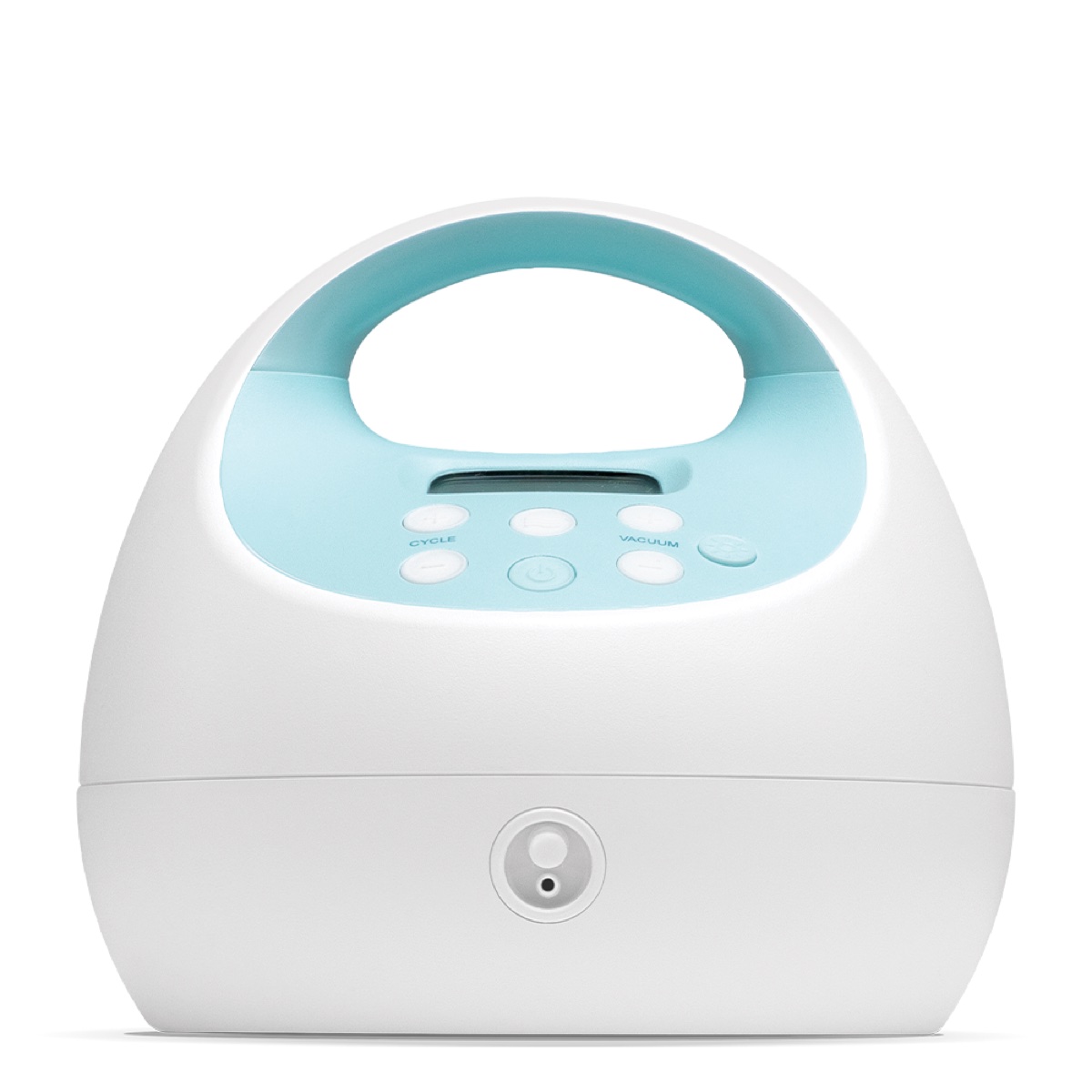
The rare product both major independent testers rank first. A true closed system (a physical barrier keeps milk out of the tubing and motor), 270 mmHg of suction across twelve levels, three pounds, quiet enough for a night session, and — the S1’s whole reason to exist over the cheaper S2 — a built-in rechargeable battery, so you can pump on the couch, in the car or anywhere without an outlet. Around $226 direct, $277 in the common Amazon bundle. If your plan covers a Spectra, take it.
The plug-in-only S2 Plus is the identical pump minus the battery at about $178 — the better value if you’ll always pump near an outlet.
2. Willow Go – Best Wearable
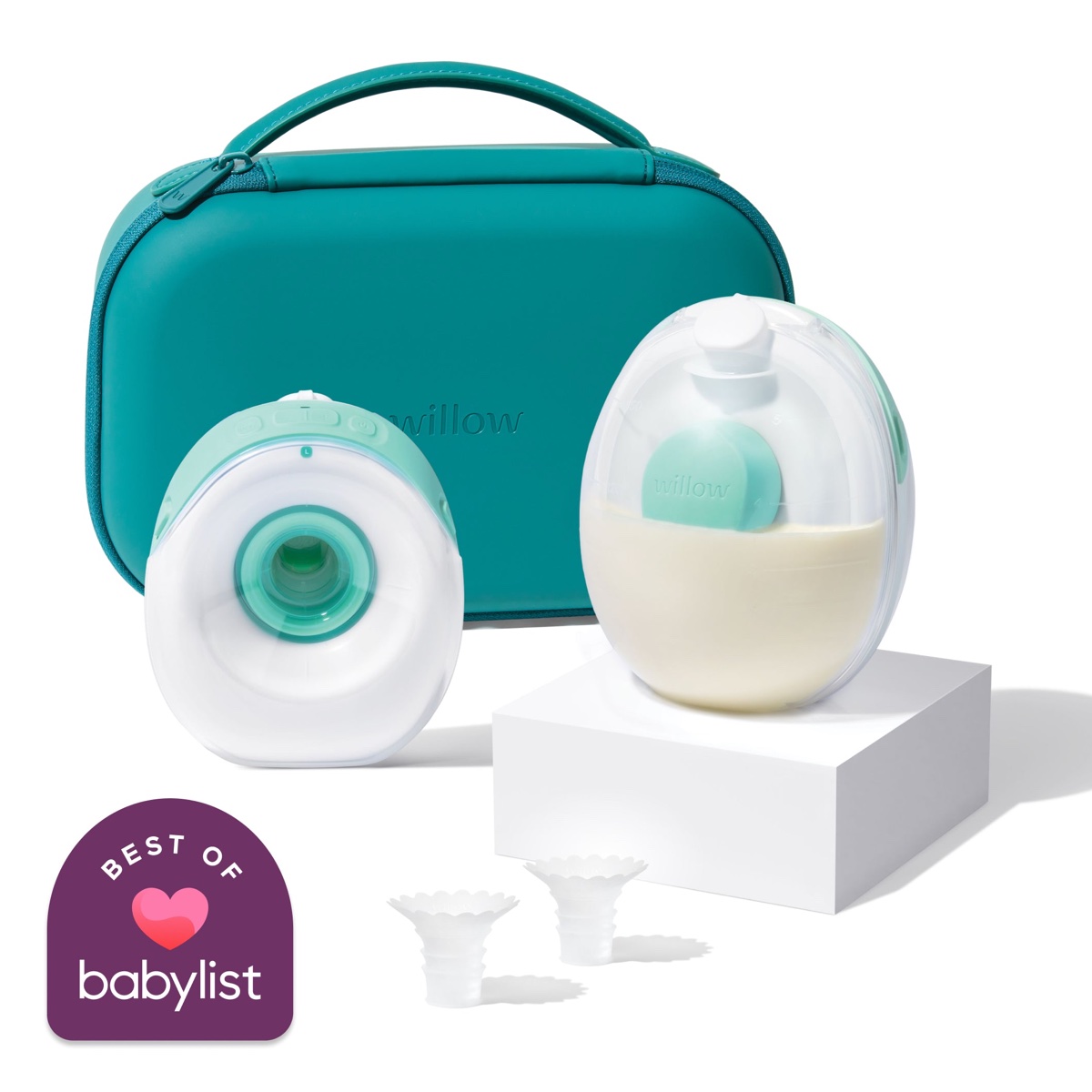
The category that didn’t exist in our original guide is now the main event: a cordless, tubeless pump that sits inside your bra so you can pump while doing literally anything else. The Go offers fifteen suction levels up to 295 mmHg, five-ounce containers (seven-ounce available), around eight sessions per charge and app-tracked volumes, at $299.99 list and often under $200 on Amazon. The honest drawback testers flag: cleaning it means six parts per side, every time.
3. Momcozy M5 Smart – Best Budget Wearable
Momcozy took the wearable idea and made it affordable: 285 mmHg across three modes and nine levels, 5.4 ounces per cup, under 48 decibels, roughly six sessions per charge with a wireless charging case — about $102 for one, $170 for the pair. That’s a full double wearable setup for the price of one premium cup. Quality-per-dollar is the pitch; if your plan covers a Momcozy, it’s a common upgrade-free choice.
4. Medela Harmony – Best Manual
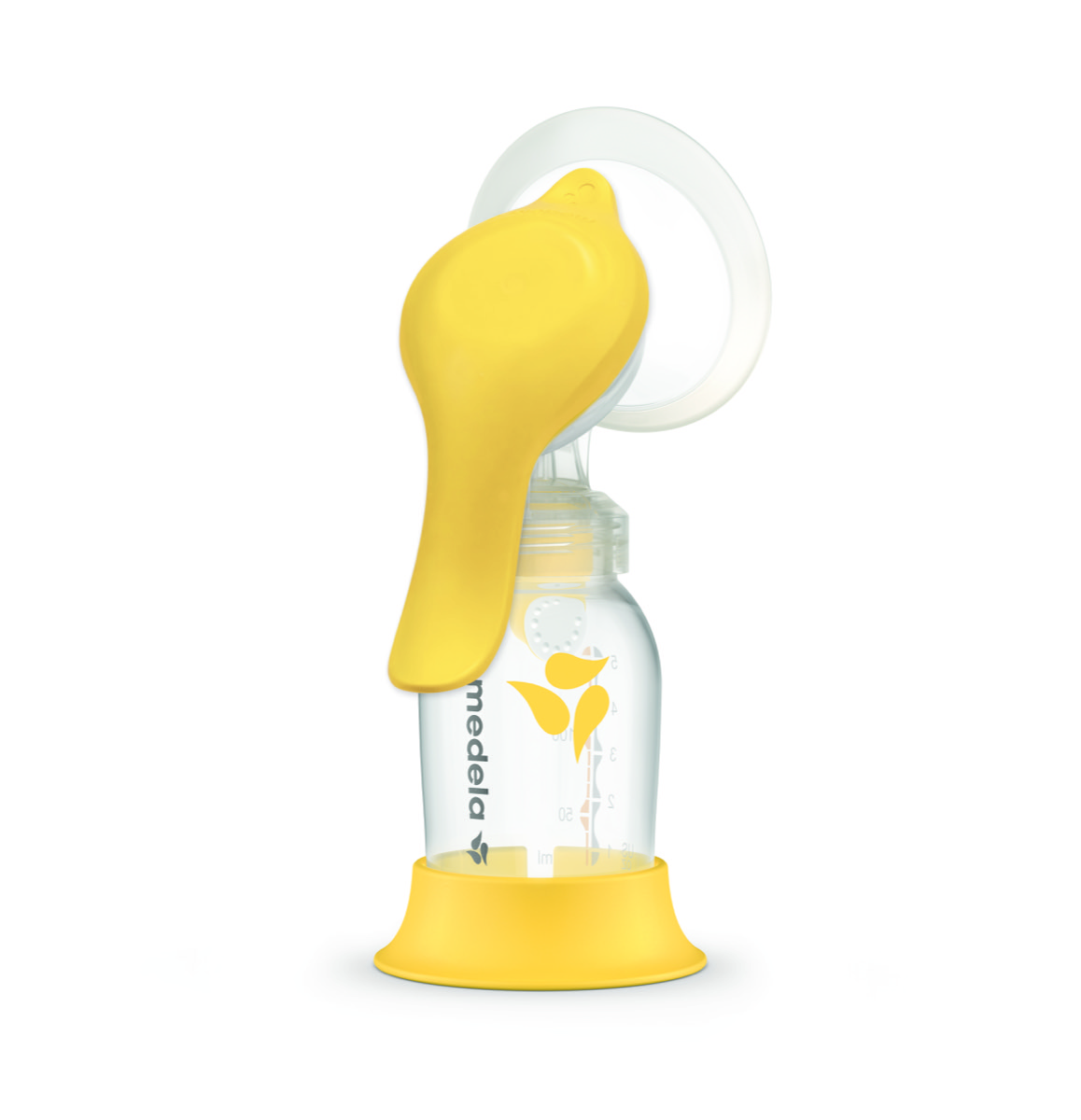
Every pumping parent should own one: 105 grams, no batteries, no power, a swivel handle with two-phase action and a soft-rimmed flange, about $26. It’s the pump for the road trip, the power outage, the hospital bag and the moment your electric one dies at 4am. Both major testers name it the manual pick, and at this price the decision is easy.
5. Haakaa – Not Actually a Pump (and Still Essential)
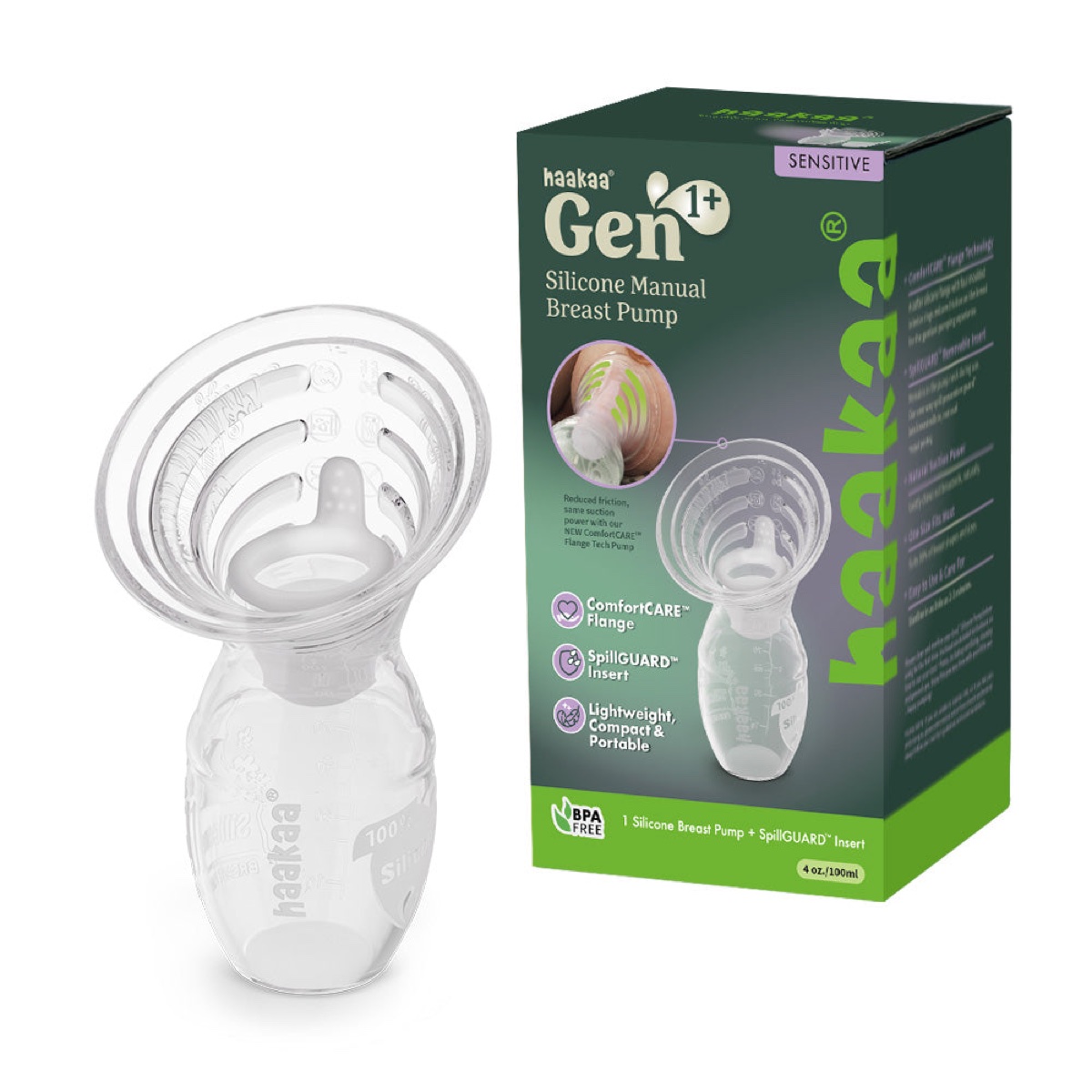
Worth correcting a misconception this product’s popularity created: the haakaa isn’t a pump. It’s a single piece of silicone you squeeze and suction onto the other breast while nursing — natural letdown plus gentle vacuum fills it passively, catching milk that would otherwise soak a nursing pad. No motor, no pumping motion, nothing to disassemble. Around $28 for the 5-ounce second-generation version, and quietly one of the highest-value objects in the whole category.
6. Medela Symphony PLUS – Hospital Grade (Rental)
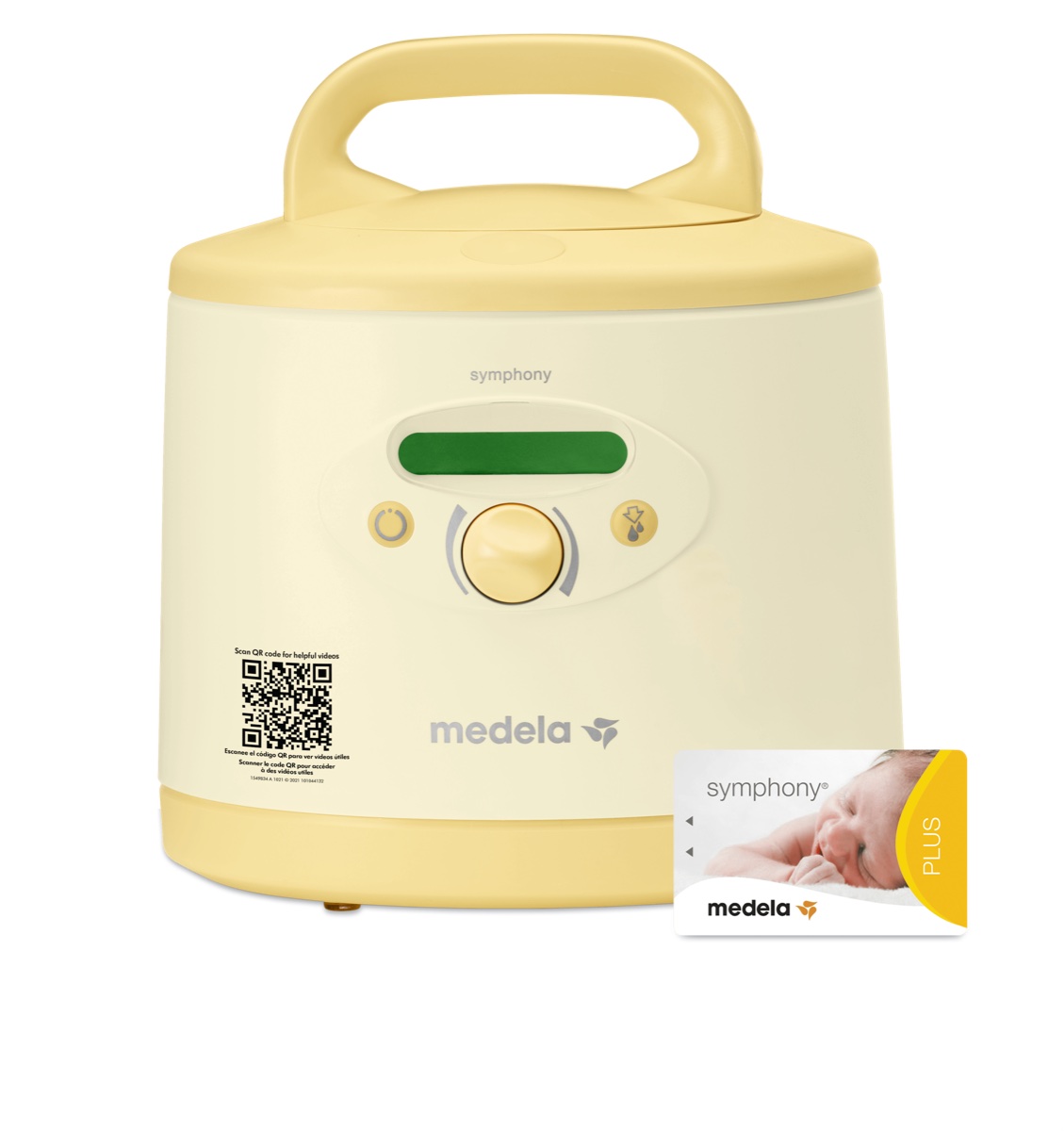
You don’t buy this one — it’s a multi-user hospital-grade rental, and the standard machine for establishing supply when a baby is in the NICU, when you’re pumping for multiples, or when a lactation consultant recommends it. Suppliers rent it out and, per DME providers, insurance often covers the rental when there’s documented medical necessity. Ask your hospital’s lactation team before renting privately; they usually arrange it faster.
What Changed Since Our Last Guide
Three things worth knowing before you shop. Willow acquired Elvie in March 2025 — the two biggest wearable names are now one company, and Elvie’s pumps are sold through Willow’s own store. Medela retired the “Pump In Style with MaxFlow” name (our old top pick); the current line is Pump In Style Pro and Pro+, around $148 and up, plus a new in-bra InBra range. And a candid note on that: Medela’s classic double electrics still rate excellently with users, while its hands-free and wearable models rate noticeably lower — if you want a wearable, the specialists above are the safer bet. As of this writing, no breast pump appears in the FDA or CPSC recall databases.
Conclusion
Start with your insurance list. Then: Spectra S1 Plus as the main pump, Willow Go if hands-free freedom matters most, Momcozy M5 if it matters most on a budget, Medela Harmony as the backup everyone should own, and a haakaa to stop wasting letdown. Storage next: see our guide to breast milk storage bags, and if you’re still deciding, breastfeeding or formula.